

September 22, 2026
Saddlebag Lake, Lake Wales: The Five Months of Pumping It Took to Get the Water Out
Saddlebag Lake is a closed basin with no outlet, so when it rose into 300 homes in 2005 the only way out was three pumps and two miles of pipe to Lake Rosalie — paid for by the residents at $30,000 a month
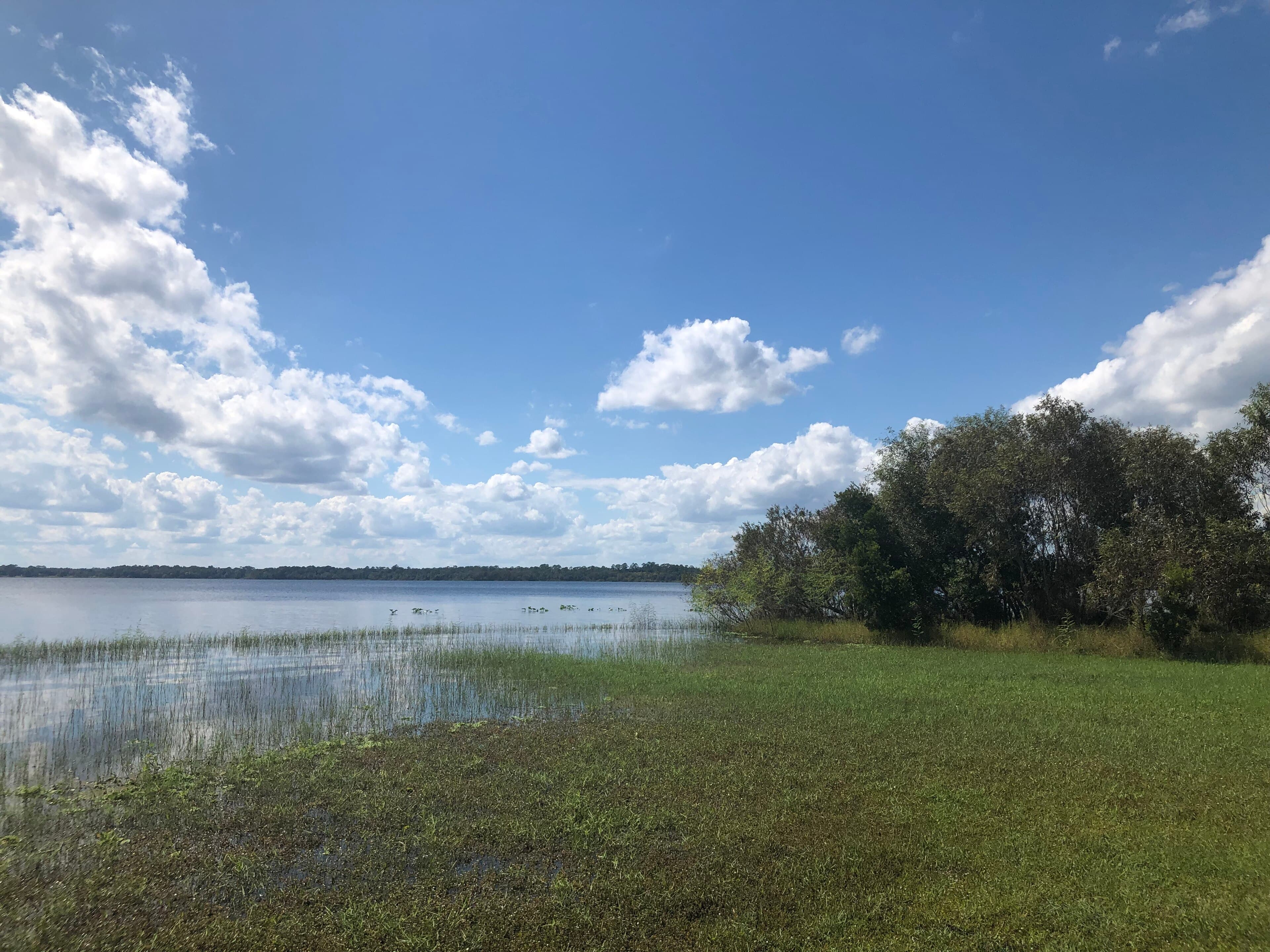
Saddlebag Lake is a closed basin. When Polk County natural resources director Jeff Spence explained to The Ledger in August 2005 why the county wanted to move water out of one lake and into another, that was the distinction he drew: Lake Rosalie's water has somewhere to go, and Saddlebag's does not.
The water had been climbing for years. The Southwest Florida Water Management District later put the cause at three hurricanes and four years of above-average rainfall. Since June 2005 it had seeped into 300 of the 700-plus manufactured homes at Saddlebag Lake Resort, the community on the lake's shore east of Lake Wales, and by the end of September electricity was shut off to 274 of the development's 789 units. Thirty cars were towed to higher, dry ground. The post office quit delivering, so resident Art Hertzog bought a 1978 Chevrolet Suburban big enough to drive through several feet of water and carried the mail and the morning newspapers to his neighbors himself.
The development went up in the 1970s, before there were many regulations about building near bodies of water, and many of its manufactured homes sit below the 10-year flood level of 106 feet, 9.5 inches above sea level. On Sept. 1, 2005, the lake reached 107 feet, 10 inches, its all-time high.
Polk County decided to spend up to $500,000 on three powerful pumps and two miles of pipe. Running that pipe took permits from the South Florida and Southwest Florida water management districts and agreements with adjacent landowners, and the people on the receiving end were not enthusiastic: residents of Lake Rosalie feared that pumping out a closed basin would carry sewer, fertilizer and chemicals into their lake. Pumping began Sept. 15 and stopped four days later, when water samples failed to meet state standards for fecal coliform. Spence said additional tests showed the problem stemmed from water flowing into the ditch from adjacent fields rather than from Saddlebag Lake. The intake pipe was repositioned and the pumps restarted. The residents' association paid the county $30,000 to cover that first month, and $30,000 a month after — diesel fuel, and part of the overtime for keeping someone at the pump full time to keep it oiled and running.
The pumping was less efficient than expected, partly because there was so much more lake than usual. Bob Lapsley, who headed the residents' emergency committee, told The Ledger that Saddlebag normally covers about 287 acres and had spread to closer to 500, running past its banks and merging with three smaller lakes nearby. With pumping and no rain, the level dropped about half an inch a day. Then Hurricane Wilma blasted past south of Polk County on Oct. 24, and its rains raised the lake about 8 inches, undoing the impact of more than a month of pumping and bringing Saddlebag to within a quarter inch of its all-time high. By mid-November the main entrance road was still about 9 inches beneath the surface of the water, and the lake was coming down a quarter inch at a time.
Floodwater had infiltrated the sewer lines, leaving the wastewater plant operating at or above capacity. Portable toilets went up around the development and residents were told not to run clothes washers or dishwashers. Nathalie Maggard, the resort's executive director, described what she told the winter residents who came back anyway: "We tell them to drink all the water they want, just don't put it down the drain."
The pumps ran until March 1, 2006. Five months of moving water about two miles through a series of pipes and ditches to Lake Rosalie, part of the Kissimmee Chain of Lakes, brought Saddlebag to 104 feet, 7.5 inches — past the county's goal of 105 feet, with water out of the homes and off the streets. About 300 of the 789 units had been flooded or cut off by the water. Repairs were expected to cost owners $1,300 to $7,000 per unit, and the county stationed a representative of its building department inside the development to handle the inspections required before that work could start.
A permanent fix was already being drawn. Commissioners had put up to $137,700 toward studies of drainage around Saddlebag, Belle, Tractor and Thomas lakes, all of them landlocked, with no outlets to help them drain. On Dec. 18, 2006, the Southwest Florida Water Management District announced an agreement with Polk County on a project estimated at up to $2.1 million: outfall structures and a conveyance system of pipes and ditches between Saddlebag Lake and Lake Thomas, Parks Lake, Cypress Lake, Little Gum Lake, Big Gum Lake and Stock Lake, paid for evenly by the district's Peace River Basin Board and the county, with completion set for December 2011.
The next summer's rains were slow to arrive — the Division of Forestry office at Catfish Creek, northeast of Lake Wales, measured 2.55 inches for June 2007. By the last week of that month Saddlebag had dropped more than seven feet from its high, to 99 feet, 9 inches, and residents were worried about having enough water to get their pontoon boats out of the lagoon and onto the lake.
Sources
Every factual claim in this story was checked against the page it came from before the story was saved. These are those pages. Our standards are on the masthead.
- Lake Rosalie Flood, Contamination Fears Spur Opposition to Pumping Proposal (The Ledger, Aug. 13, 2005)
- Project will reduce flooding near Saddlebag Lake (Southwest Florida Water Management District news release, Dec. 18, 2006)
- FIRST, HURRICANES NOW, FLOODING (Orlando Sentinel, Aug. 21, 2005)
- Downpour Raises Saddlebag Lake (The Ledger, Sept. 30, 2005)
- Saddlebag Pumping to End (The Ledger, March 1, 2006)
- Resort Slowly Gains in Water War (The Ledger, Nov. 17, 2005)
- Residents in Saddlebag Lake Resort Assess Homes and Lives (The Ledger, Jan. 25, 2006)
- Board Authorizes Drainage Studies (The Ledger, Oct. 27, 2005)
- Former Flooded Area Now Dry (The Ledger, June 30, 2007)
Presented by

Own waterfront in Lake Wales?
Lake history is interesting. Shoreline conditions are practical. Horizon Marine builds docks, seawalls, and shoreline protection on Lake Wales's lakes — and gives a straight answer on what your property actually needs.
Lake Pierce, Lake Wales: The Five-Day Haul From Net to Railroad
Before it was a fish camp, the north shore of Lake Pierce was a commercial netting operation that hauled its catch out over log roads on a five-day round trip to the railroad — back when the lake was called Cat Fish Lake.
Read →
Edward Medard Reservoir, Plant City: The Drawdown That Fed the Food Banks
When Hillsborough County's busiest reservoir was emptied in 2009 to rebuild its eroding bank, more than 1,300 of the stranded tilapia and catfish were filleted and sent to local food banks
Read →
Lake Jessie, Winter Haven: The 180-Acre Lake Where the World Learns to Land on Water
About 500 pilots a year earn their seaplane rating on a 180-acre lake beside the Winter Haven airport — more, by one industry count, than every other seaplane school in the United States combined
Read →
Edward Medard Reservoir, Plant City: The Mine That Became the Park
The 770-acre lake east of Brandon where a quarter-million people a year come to fish and camp was, in the 1960s, an open phosphate pit
Read →
Planning waterfront work in Lake Wales?
Free waterfront assessment · License #SCC131154313