April 25, 2026
Lake Dora, Mount Dora: The Postcard Lake That Once Topped the Chain for Toxic Algae
In 2001, the prettiest lake on the Harris Chain quietly held a title nobody wanted — Florida's most polluted water body
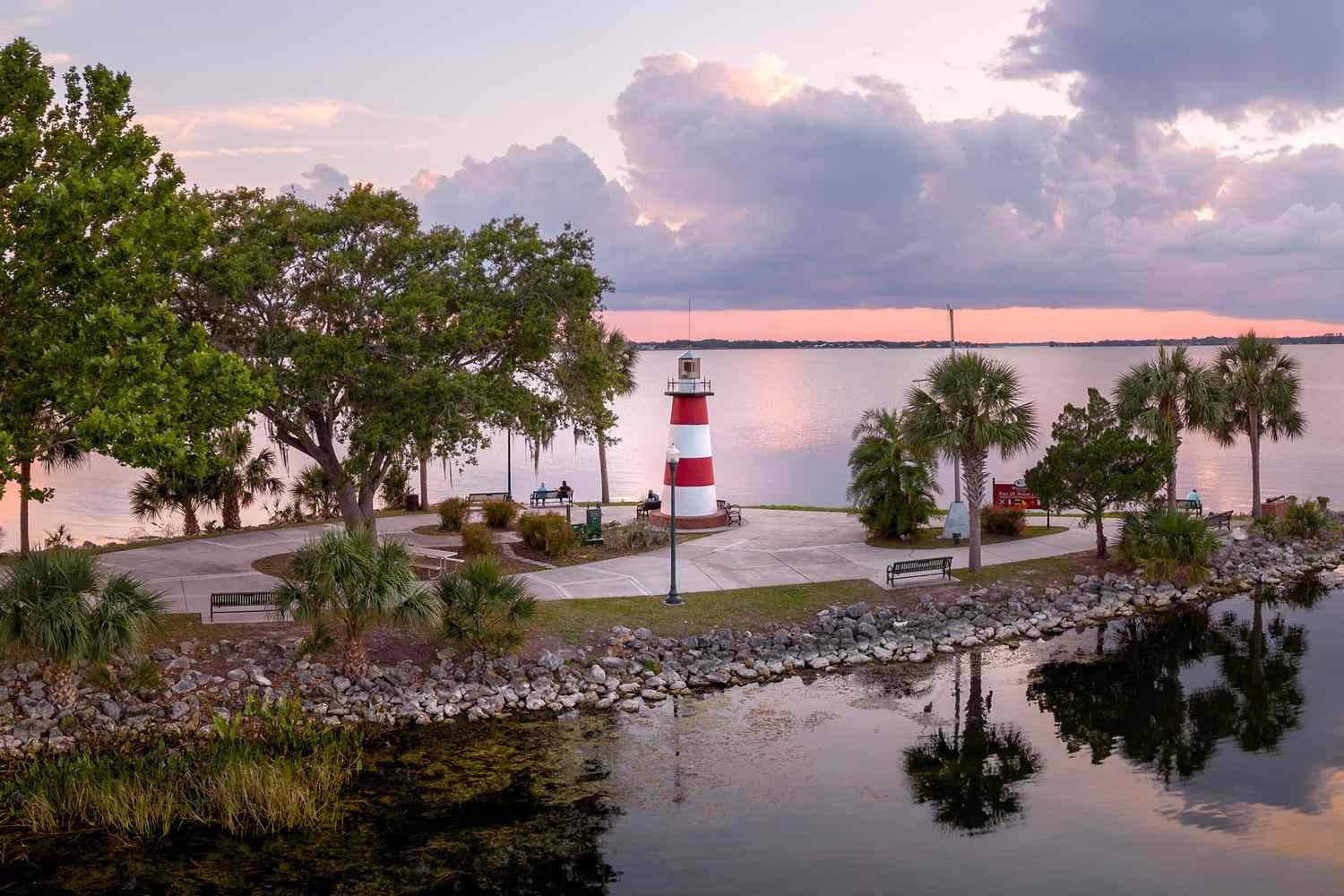
In the fall of 2001, a Lake County study reported that Lake Dora carried the highest concentration of toxic algae of any lake on the Harris Chain. Higher than Lake Griffin. And Griffin, at the time, was considered the most polluted water body in the state of Florida. The finding ran in the Orlando Sentinel that October.
Lake Dora sits in the middle of the chain, downstream of Lake Beauclair and the Apopka-Beauclair Canal, which means it takes whatever Lake Apopka, the great damaged shallow lake to the south, has been pushing north. A 1995 study cited in the state's eventual phosphorus TMDL for Lake Dora estimated that discharges from Lake Beauclair contributed roughly 76 percent of the phosphorus and 86 percent of the nitrogen entering Dora.
State sampling on Dora documented Cylindrospermopsis and Microcystis, two cyanobacteria genera that produce toxins capable of sickening people, pets, and wildlife. Cylindrospermopsis had been linked to fish kills and health concerns on Lake Griffin a few years earlier. The county study found more of it in Dora than in Griffin.
In August 2002, the Florida Department of Environmental Protection adopted a Total Maximum Daily Load order for Lake Dora and the Dora Canal — a regulatory ceiling on how much phosphorus could legally enter the lake, with reductions assigned upstream. The St. Johns River Water Management District, which controls levels on Dora through the Burrell Lock and Dam down on Haines Creek, folded that into the broader Upper Ocklawaha basin work that has been grinding away at Apopka for decades.
Dora sits at the middle of a chain draining a developed, agricultural, century-altered landscape, and the algae have not disappeared from any Florida lake that ever had them. The worst-on-the-chain finding belongs to 2001, and the phosphorus limits set in the 2002 DEP order have been in force since.
The antique boat festivals still come every spring. Major League Fishing brings tournament boats to the chain, and Tavares, across the lake, calls itself America's Seaplane City and launches yellow-hulled aircraft off the water on weekends. The dinner cruise out of Mount Dora runs the cypress-lined Dora Canal between Dora and Eustis.
Presented by

Own waterfront in Tavares?
Lake history is interesting. Shoreline conditions are practical. Horizon Marine builds docks, seawalls, and shoreline protection on Tavares's lakes — and gives a straight answer on what your property actually needs.
Moon Lake, New Port Richey: The Foot and a Half That Doubles the Lake
Between 38.2 and 39.6 feet, Moon Lake grows from about 105 acres to 193 — the extra water standing in a 95-acre cypress swamp that a raised road cut off from the lake, and that now sets the lake's legal minimum level
Read →
Lake Pierce, Lake Wales: The Five-Day Haul From Net to Railroad
Before it was a fish camp, the north shore of Lake Pierce was a commercial netting operation that hauled its catch out over log roads on a five-day round trip to the railroad — back when the lake was called Cat Fish Lake.
Read →
Lake Marion, Haines City: The Island House Built in the Shape of a Celtic Cross
In 1887 an Irish carpenter who had come south for his lungs started cutting cypress on a 23-acre island in Lake Marion, and built a house in the shape of a Celtic cross — his family has held the island ever since
Read →
Hardee Lakes, Bowling Green: The Lake That Stayed Closed Until the Fish Grew
Lake 3 at Hardee Lakes Park was stocked with sunshine bass in 2001 and then kept shut to anglers while they grew, and when it finally opened one Saturday morning in October 2005 all eight spots were already taken
Read →
Building on Lake Dora or another Tavares lake?
Free waterfront assessment · License #SCC131154313