

April 26, 2026
Lake Howard, Winter Haven: The Downtown Lake That Starts a River
The water lapping against the downtown seawall at Lake Howard is the start of a river that ends nearly 100 miles away on the Gulf Coast
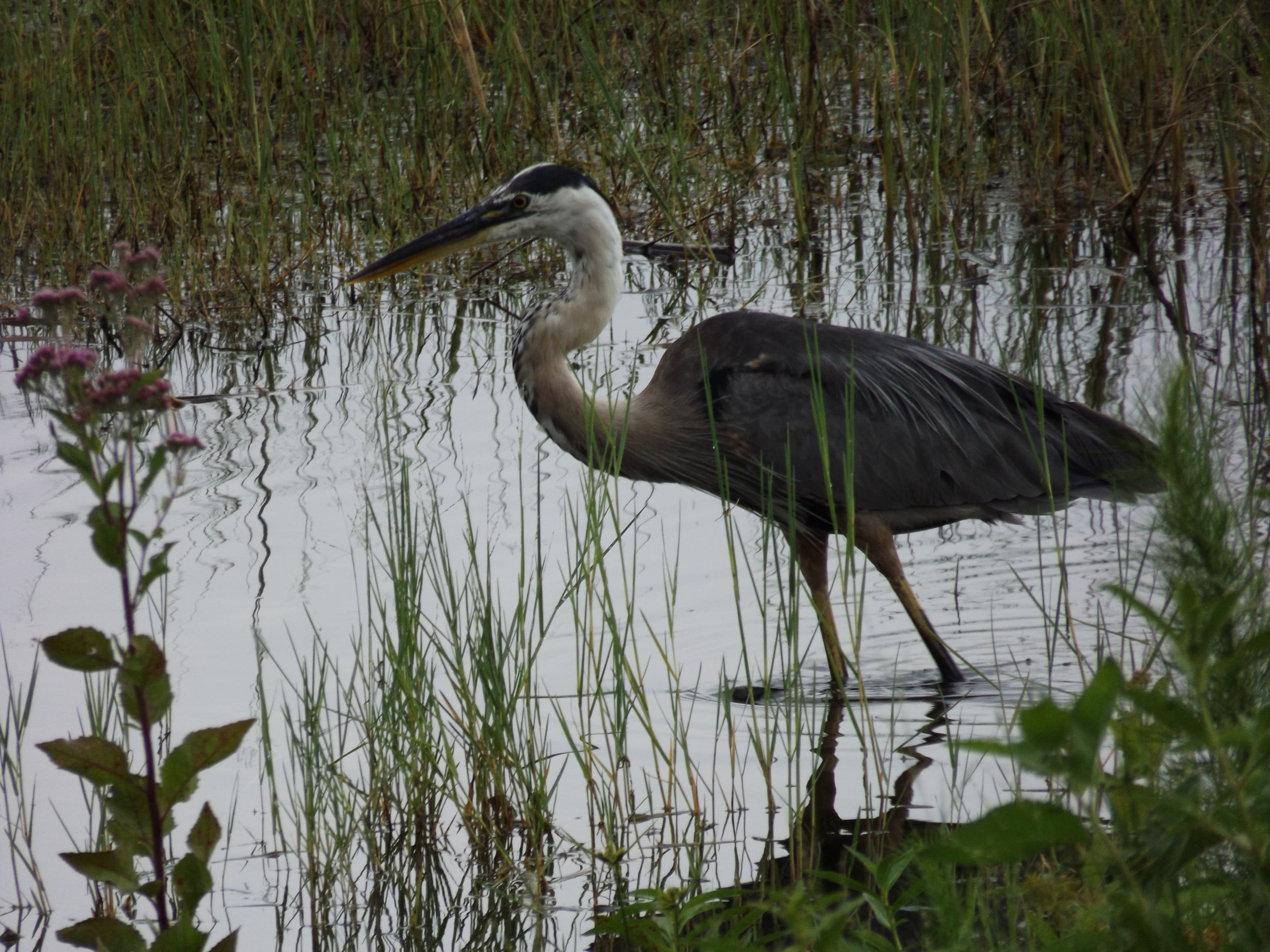
Lake Howard, in downtown Winter Haven, is part of the headwaters of the Peace River. The water in it, when it eventually moves, travels most of the width of the Florida peninsula and empties into Charlotte Harbor, below Punta Gorda, on the Gulf of Mexico.
The lake sits in the middle of the city with a park on one shore, the Woman's Club and the Museum of Winter Haven History on another, and the Interlaken Historic Residential District wrapping the north end. There's a paved trail along part of it, and docks and seawalls the length of the developed shore. The Charlotte Harbor National Estuary Program lists it anyway: Lake Howard is part of the headwaters of the Peace River watershed.
The Chain of Lakes sits on the Lake Wales Ridge, the high spine of central Florida — an old dune line from a period of higher sea levels, sandy and porous, pocked with sinkhole lakes. On this side of the ridge, water moves south and west. Lake Howard drains through the canals and natural connections that link the Winter Haven chain, most directly to Lake Cannon on its northwest side, and from there lake by lake toward Lake Hamilton and into the upper Peace River. The river then runs through Bartow, Fort Meade, Wauchula and Arcadia before reaching the brackish flats above Charlotte Harbor.
That position puts Lake Howard in regional water quality monitoring well beyond Polk County's own interest. Engineers testing new lake-health sensor systems in 2025 chose it as one of their study sites.
Winter Haven grew up around the chain, a network of connected lakes navigable by small boat, with Lake Howard near the center of it. Downtown wrapped the eastern and southern shores, and Interlaken went up on the north. The Woman's Club clubhouse on the western shore now houses the city's history museum. A trail was proposed to ring the lake, drew years of debate from shoreline residents through the 2010s, and was built only in pieces. Lake Howard has a partial loop, not the continuous path Lake Hollingsworth has in Lakeland.
Presented by

Own waterfront in Winter Haven?
Lake history is interesting. Shoreline conditions are practical. Horizon Marine builds docks, seawalls, and shoreline protection on Winter Haven's lakes — and gives a straight answer on what your property actually needs.
Lake Marion, Haines City: The Island House Built in the Shape of a Celtic Cross
In 1887 an Irish carpenter who had come south for his lungs started cutting cypress on a 23-acre island in Lake Marion, and built a house in the shape of a Celtic cross — his family has held the island ever since
Read →
Lake Conine, Winter Haven: The Wetland That Took Fifteen Years to Come Back
The 32 acres of wetland along Lake Conine's south shore spent 15 years and $3.7 million becoming a nature park — the slow, unglamorous work of turning drained ground back into a filter for the water
Read →
Spring Lake, Brooksville: The Grove That Turned Into an Attraction
A hard freeze wiped out a Spring Lake citrus grower's living in the early 1960s, and rather than replant, the Boyett family turned the survivors into a roadside attraction that outlived the groves around it
Read →
Seward Lake, Lakeland: A Week After Milton, the Water Was Still Rising
A week after Hurricane Milton, the water around Seward Lake was still rising — and the flood came so slowly that residents watched it reach their doors for days
Read →
Building on Lake Howard or another Winter Haven lake?
Free waterfront assessment · License #SCC131154313