
September 8, 2026
Lake Bonny, Lakeland: The Nine Inches That Kept the Pumps Off
When Hurricane Milton pushed Lake Bonny into east Lakeland's neighborhoods in October 2024, the city couldn't legally start pumping until the water had already reached people's homes
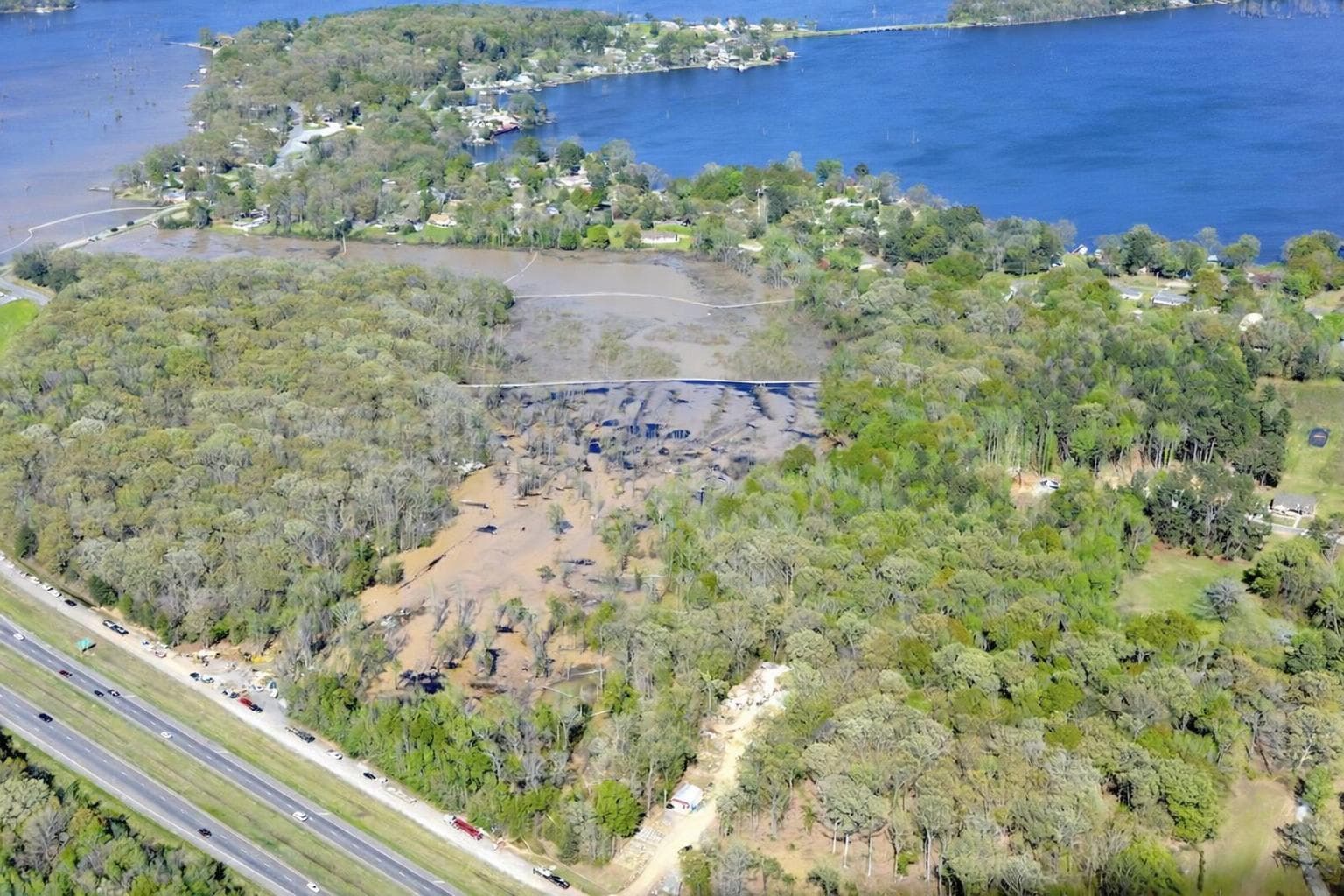
Hurricane Milton dumped its rain on east Lakeland in October 2024, and the water that came out of Lake Bonny stood in the streets, around homes in mobile home parks, and against the houses along Lake Bonny Drive, where Michael and Pam Smith live. It did not drain, and for a stretch the city could not pump it out either. The reason was the wording of a permit.
Lake Bonny runs about 200-odd acres on Lakeland's east side — sources put it anywhere from 203 to 249, depending on who measured and when. It is shallow and low-lying, with homes and mobile home parks pressed close to the shoreline, the lowest ground in the neighborhood when rain falls faster than the ground can take it.
A later study by the engineering firm Aecom laid out the mechanics. Lakeland's permit under the Southwest Florida Water Management District — Swiftmud — didn't allow the city to pump water out of Bonny until the lake reached an elevation of 130.1 feet. The lowest-lying structure around the lake sits at 131 feet. That is a gap of about nine inches: the lake could reach the first house on the shore and still stand below the elevation at which the city was permitted to run its pump.
Residents told the Ledger they couldn't get any relief. Along Lake Bonny Drive they stood in front of the WFLA cameras demanding action from Lakeland's city leaders while their yards were still underwater.
The Aecom study, reported by the Ledger in August 2025, concluded that the post-Milton flooding was caused by insufficient pump capacity and inadequate storm drainage — a system that couldn't move water fast enough even when it was cleared to try. As of that August 2025 report, the pump-on threshold on Lake Bonny remained 130.1 feet.
Presented by

Own waterfront in Lakeland?
Lake history is interesting. Shoreline conditions are practical. Horizon Marine builds docks, seawalls, and shoreline protection on Lakeland's lakes — and gives a straight answer on what your property actually needs.
Hardee Lakes, Bowling Green: The Lake That Stayed Closed Until the Fish Grew
Lake 3 at Hardee Lakes Park was stocked with sunshine bass in 2001 and then kept shut to anglers while they grew, and when it finally opened one Saturday morning in October 2005 all eight spots were already taken
Read →
Lake Conine, Winter Haven: The Wetland That Took Fifteen Years to Come Back
The 32 acres of wetland along Lake Conine's south shore spent 15 years and $3.7 million becoming a nature park — the slow, unglamorous work of turning drained ground back into a filter for the water
Read →
Edward Medard Reservoir, Plant City: The Drawdown That Fed the Food Banks
When Hillsborough County's busiest reservoir was emptied in 2009 to rebuild its eroding bank, more than 1,300 of the stranded tilapia and catfish were filleted and sent to local food banks
Read →
Spring Lake, Brooksville: The Grove That Turned Into an Attraction
A hard freeze wiped out a Spring Lake citrus grower's living in the early 1960s, and rather than replant, the Boyett family turned the survivors into a roadside attraction that outlived the groves around it
Read →
Building on Lake Bonny or another Lakeland lake?
Free waterfront assessment · License #SCC131154313