

June 15, 2026
Crews Lake, Spring Hill: The Lake That Drains Through Its Own Floor
The lake at the center of a 113-acre Pasco County park doesn't hold its water by accident — sinkholes drain it into the aquifer and groundwater pumping pulls it lower, which is why Crews Lake can come and go
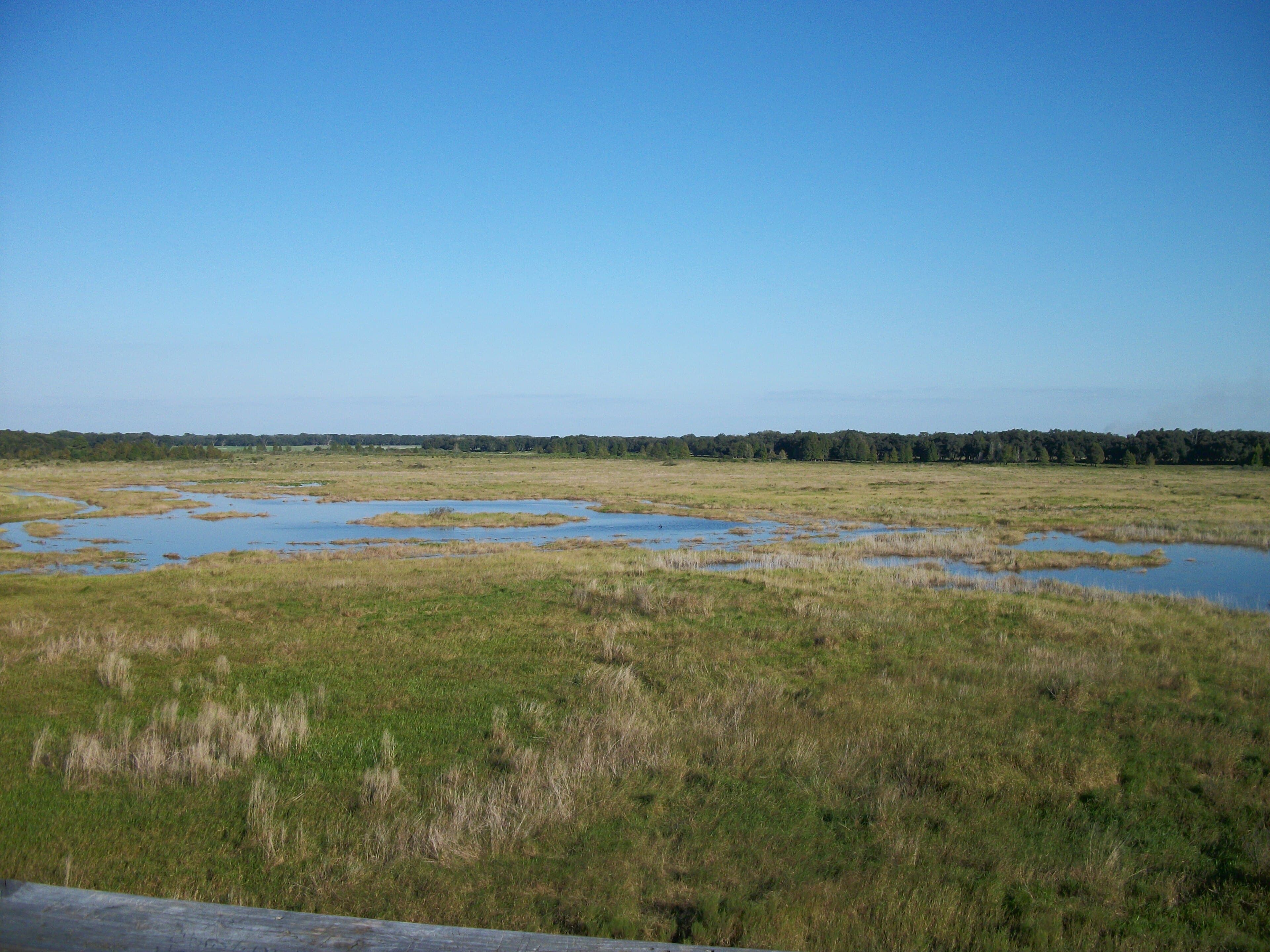
The water in Crews Lake doesn't stay put. Sinkholes in the lakebed open into the Floridan aquifer below, and the lake pours through them. Add the wellfield pumping that draws groundwater out from under this part of Pasco County, and the level on any given visit is the running balance between rain coming in and water leaving through the floor.
Florida's karst geology — limestone riddled with cavities — means surface water and groundwater are the same water, separated only by whatever soil happens to be in the way. When a sinkhole opens in a lakebed, it removes that separation, and water moves down through the opening into the aquifer. Pull the groundwater down with pumps a few miles away and the lake level follows, because the two are connected underground.
Scott Lake in Lakeland drained 251 acres into the aquifer through a sinkhole in 2006 and refilled over the following years. At Crews Lake the draining is the ordinary condition rather than a single event. The water anglers fish one year may be lower the next.
Crews Lake Wilderness Park covers 113 acres of uplands and wetlands along the west shore, off Shady Hills Road in north central Pasco, a short drive north of Tampa near the Suncoast Parkway. A wooden observation tower stands above the shoreline.
For a stretch in the late 1990s, that water was one of the few public options for anyone in northern Pasco who wanted to get on a lake without owning shoreline. A 1999 Tampa Bay Times piece on the lake-poor Land O' Lakes area pointed out that for water sports enthusiasts without the requisite $200,000 for lakefront property, the next best options were the public parks at Crews Lake and at Moon Lake toward Port Richey.
By 2004, the same paper described the place as a park where the only sounds were fish jumping, birds, and insects. The Central Pasco & Gulf Railroad now runs a 7½-inch-gauge miniature railroad through the park, with rides offered to the public. About 100 volunteer crew members keep it running, two of them, Tink and Smithson, profiled in a 2023 Bay News 9 story about the operation.
Presented by

Own waterfront in Lakeland?
Lake history is interesting. Shoreline conditions are practical. Horizon Marine builds docks, seawalls, and shoreline protection on Lakeland's lakes — and gives a straight answer on what your property actually needs.
North Prong Alafia River, Mulberry: The 154 Snook That Started the Repair
When 1997's acid spill came down Skinned Sapling Creek into the North Prong, the first act of repair on the Alafia was a release of exactly 154 juvenile snook
Read →
Peace River, Fort Meade: The Thirteen Miles Where the River Drains Into the Ground
Between Bartow and Fort Meade the Peace River loses water into holes in its own bed — on one day in June 2002 the USGS measured about 32 million gallons going into the ground — and Fort Meade is where the leaking stops
Read →
Hardee Lakes, Bowling Green: The Lake That Stayed Closed Until the Fish Grew
Lake 3 at Hardee Lakes Park was stocked with sunshine bass in 2001 and then kept shut to anglers while they grew, and when it finally opened one Saturday morning in October 2005 all eight spots were already taken
Read →
Lake Rosalie, Lake Wales: The 1947 Canal That Gave the Lake a Second Way Out
Water leaves Lake Rosalie in two directions at once, and the northern route — the Zipprer Canal that kayakers now paddle — was cut through a floodplain marsh in 1947 to drain it for cattle pasture
Read →
Planning waterfront work in Lakeland?
Free waterfront assessment · License #SCC131154313