June 4, 2026
Lake Alfred, Polk County: The Shoreline Where Florida Citrus Got Its Laboratory
In 1917, the state of Florida planted its first off-campus research center on the shore of this lake — and a century later, almost every commercial citrus tree in the state traces back to work done there
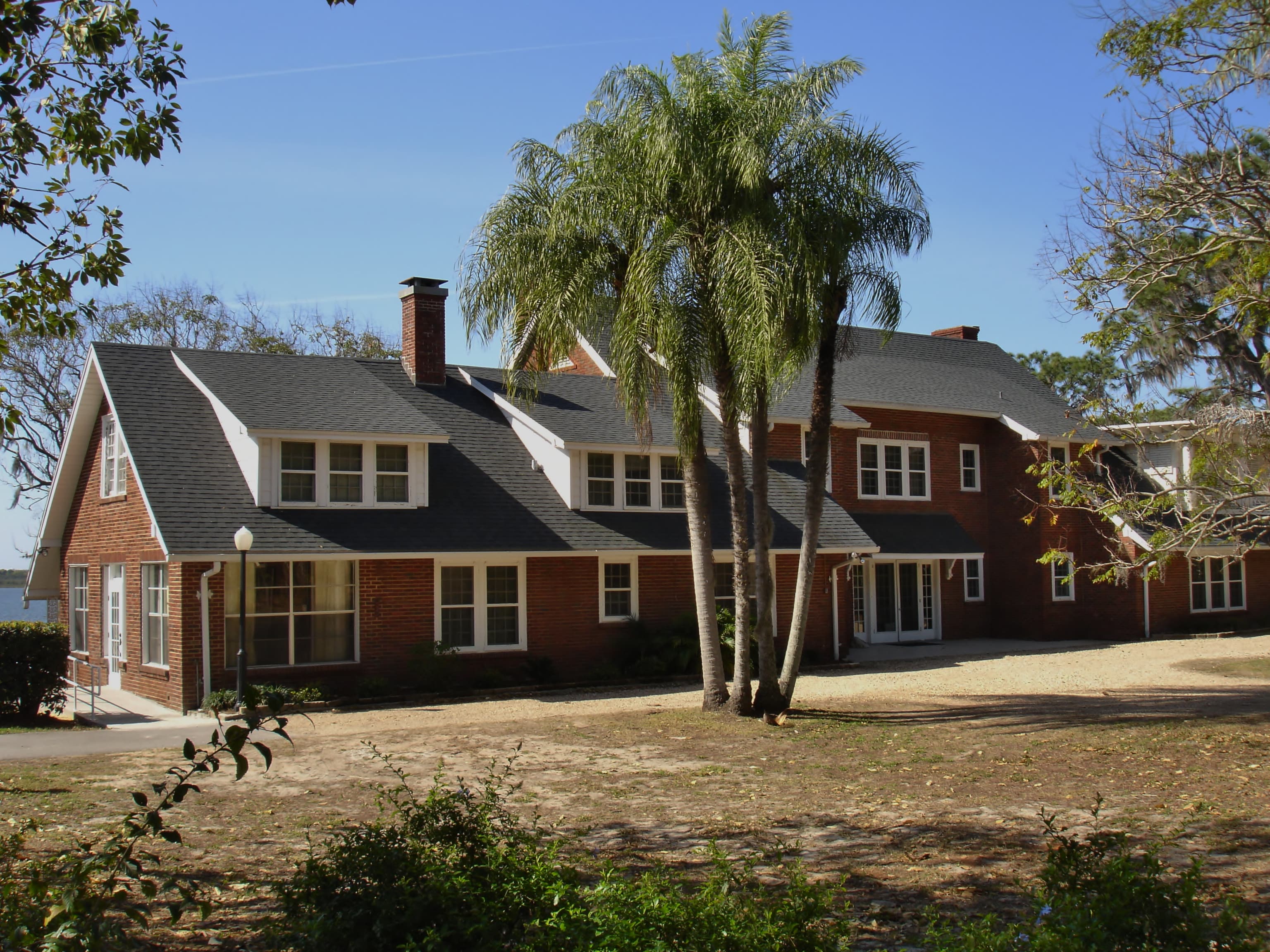
In 1917, the State of Florida opened the first off-campus research center the University of Florida had ever established, and it put it on the shore of Lake Alfred. They called it the Citrus Experiment Station. It was the first time the state had decided that a particular industry — and a particular crop — needed its own permanent laboratory away from Gainesville, sitting in the middle of the groves it was meant to serve.
By 1917 the town existed because of the railroad — the Jacksonville, Tampa and Key West line that Henry Plant eventually absorbed into the Atlantic Coast Line, the same line that gave the town its name from Alfred Parslow. The Florida Fruitlands Company had been working the surrounding land since 1910. The groves were already here. The packinghouses and rail sidings were already here. What the industry did not have was a place to take a sick tree, or a strange beetle, or a question about rootstock, and get an answer from someone whose entire job was citrus.
The station opened to study scale insects and fertilizer rates. Rootstock trials done on this shoreline are the reason most commercial Florida orange trees grow on the rootstocks they grow on. Cold-protection research done here shaped how growers responded to the freezes of the 1980s that pushed the citrus belt south. When greening disease — huanglongbing — arrived in Florida in 2005 and began collapsing groves across the state, the research response was anchored at the same Lake Alfred campus, by then known as the UF/IFAS Citrus Research and Education Center.
The lake itself is a 676-acre public water body, WBID 1488D in the state's tracking system, with a short lakefront walking trail that brings in wading birds and migratory traffic and a couple of endangered plants the signage points out. The town at its edge is growing along the I-4 corridor, with a Publix finally coming to the Lake Alfred Square site at County Road 557 and Old Lake Alfred Road after years of residents driving to Auburndale or Winter Haven for groceries.
Citrus money reached the rest of the town too. The public library did not come under city ownership until 1973, when it landed inside the new Public Safety building on Pomelo Street, wedged between the police and fire departments. It moved again in 2012 to a building on North Seminole Avenue, paid for in part by a bequest from Edwin Moore, a Florida Citrus Hall of Fame member.
The Citrus Research and Education Center is on the north side of the lake, part of UF/IFAS. It is the oldest and largest citrus research facility in the world.
Presented by

Own waterfront in Lake Alfred?
Lake history is interesting. Shoreline conditions are practical. Horizon Marine builds docks, seawalls, and shoreline protection on Lake Alfred's lakes — and gives a straight answer on what your property actually needs.
Edward Medard Reservoir, Plant City: The Drawdown That Fed the Food Banks
When Hillsborough County's busiest reservoir was emptied in 2009 to rebuild its eroding bank, more than 1,300 of the stranded tilapia and catfish were filleted and sent to local food banks
Read →
Lake Carlton, Tavares: One of Only Two Harris Chain Lakes That Can Be Drained
Carlton is one of only two lakes on the Harris Chain that can be drained on purpose — and when biologists did exactly that, the lake came back cleaner
Read →
Lake Smart, Winter Haven: The Round Lake on the Ten-Lake Run
Lake Smart sits on a chain that crosses three cities and ten lakes, stitched together by canals that turned a scattering of round Polk County ponds into a single navigable system
Read →
Edward Medard Reservoir, Plant City: The Mine That Became the Park
The 770-acre lake east of Brandon where a quarter-million people a year come to fish and camp was, in the 1960s, an open phosphate pit
Read →
Building on Lake Alfred or another Lake Alfred lake?
Free waterfront assessment · License #SCC131154313