

May 18, 2026
Crooked Lake, Babson Park: The Lake That a Collapsing Ridge Carved
The shape that gave Crooked Lake its name isn't a quirk of mapping, it's the visible signature of multiple sinkholes that opened beneath the Lake Wales Ridge over the last 5,000 to 10,000 years
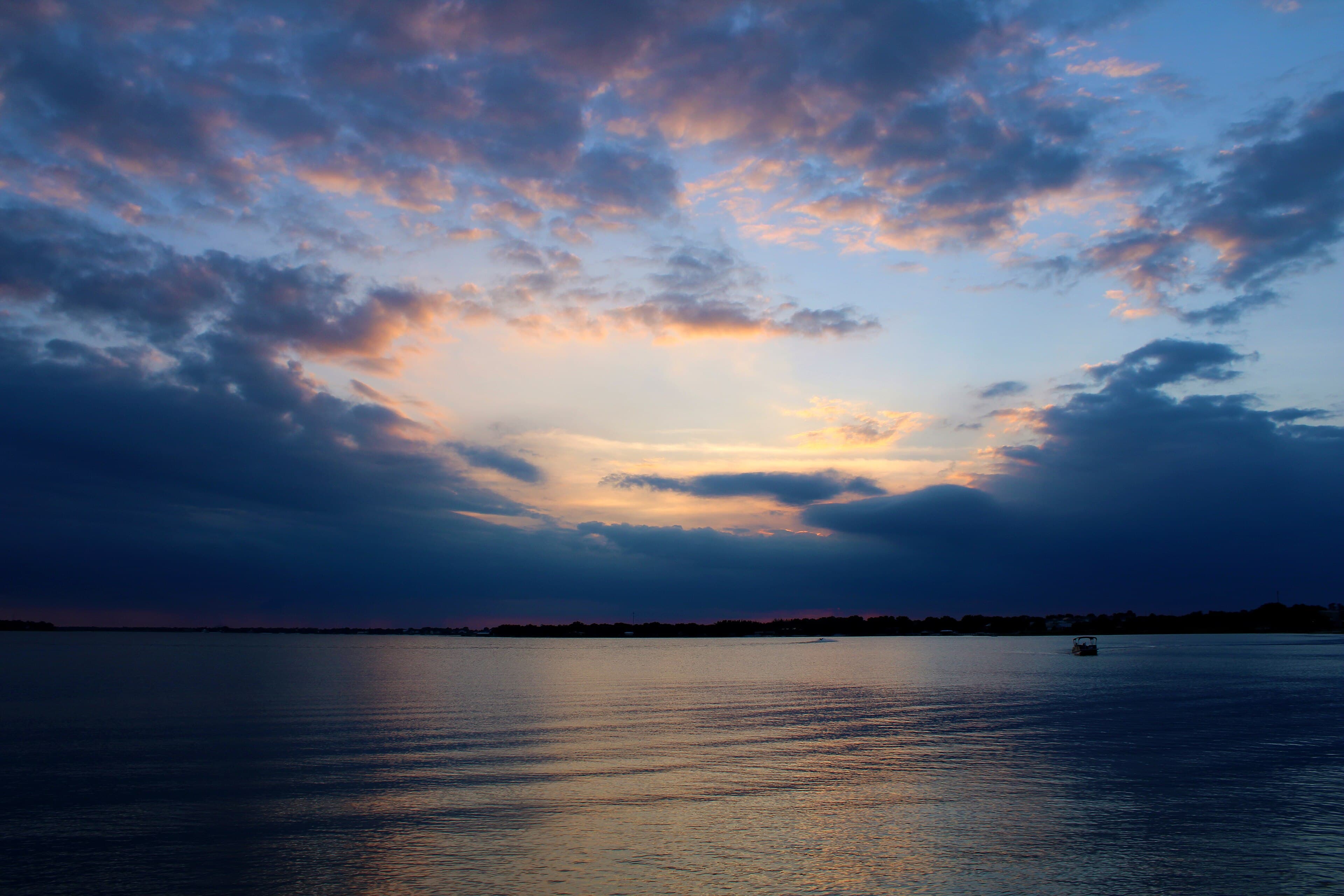
Crooked Lake covers 4,174 acres, and its outline forks into bays that seem to belong to different lakes entirely. The eastern shore is the busiest part of that outline — coves stacked next to coves, peninsulas thrown between them. That side is where the ground gave way.
Crooked Lake sits on the Lake Wales Ridge, the long sand spine running down the middle of the peninsula. Beneath the sand is limestone, and beneath the limestone, in places, is empty space — cavities dissolved over thousands of years by slightly acidic groundwater. A clay layer often sits between the sand on top and the cavity below, holding the surface up. When the clay finally gives, the ground above falls into the void. That's a sinkhole.
Most Florida sinkhole lakes are tidy little circles, the print of a single collapse. Crooked Lake is what happens when that process repeats — multiple sinkhole collapses, close enough to one another that their basins merged into a single sprawling body of water, with most of the activity concentrated on the eastern side. Every cove there is the floor of an old collapse, now filled with rainwater and a slow trickle from the surficial aquifer.
Crooked Lake is rated an Outstanding Florida Water, one of a small group given that legal protection because of existing high water quality. The water is comparatively clear. Aquatic vegetation is sparser than on the chains down in the flatwoods. There's no large surface stream feeding sediment and nutrients in. The lake sits high on the ridge, mostly recharged by rainfall percolating down through deep sand, which acts as a filter before the water ever reaches the basin.
Speckled perch out of Crooked Lake run large. Fish up to 17 inches and well over two pounds are not unusual in fall and winter. Clear water over a sandy bottom, with deep pockets where the old collapses bottomed out, is speck habitat. Largemouth bass and bluegill fishing hold up year-round for the same structural reasons.
The surrounding scrub is the same landscape above water. Crooked Lake Prairie, the 525-acre tract Polk County purchased in 1997 along the southeastern shore, and the Crooked Lake Wildlife and Environmental Area protect a mosaic of ridge upland and wetland. Gopher tortoises dig burrows up to 40 feet long in the deep sand, and rare scrub plants found almost nowhere else on Earth grow on the ridges between the bays.
The lake level rises and falls in long cycles — drought years exposing flats of sandy bottom, wet years pushing water into yards. After the 2017 and 2018 rains, levels got high enough that Polk County crews had to perform emergency maintenance on the outflow ditch to bring the lake down.
The town on the eastern shore was called Crooked Lake until 1923, when residents voted to rename it Babson Park in recognition of Roger Babson's local investments. The lake's name did not change.
Lake Otis, Winter Haven: The Two Parking Spaces That Unlocked the Hydrilla Money
Homeowners on a private Winter Haven lake raised about $40,000 to kill their hydrilla and needed $90,000 — so they built a public boat ramp instead, because a state rule only funds weed control on water the public can launch on
Read →
Lake Walk-in-the-Water, Lake Wales: The Lake That Lost All Its Hydrilla and Had to Be Replanted
Three 2004 hurricanes pulled every bit of submersed vegetation out of Lake Walk-in-the-Water and no one ever sprayed a drop — by FWC's account the hydrilla has not come back, and biologists have spent the years since hand-planting natives in its place
Read →
Edward Medard Reservoir, Plant City: The Drawdown That Fed the Food Banks
When Hillsborough County's busiest reservoir was emptied in 2009 to rebuild its eroding bank, more than 1,300 of the stranded tilapia and catfish were filleted and sent to local food banks
Read →
Lake Agnes, Polk City: The Shore Where Polk City Started
A Boston developer stopped to rest on the shore of Lake Agnes in the summer of 1922, and the town of Polk City grew from where he sat
Read →