

May 21, 2026
Lake Clinch, Frostproof: The Thirty-Foot Serpent and the Town That Kept Seeing It
For more than a century, people on the Frostproof shore have been reporting a thirty-foot serpent in Lake Clinch — and the tradition is older than the town itself
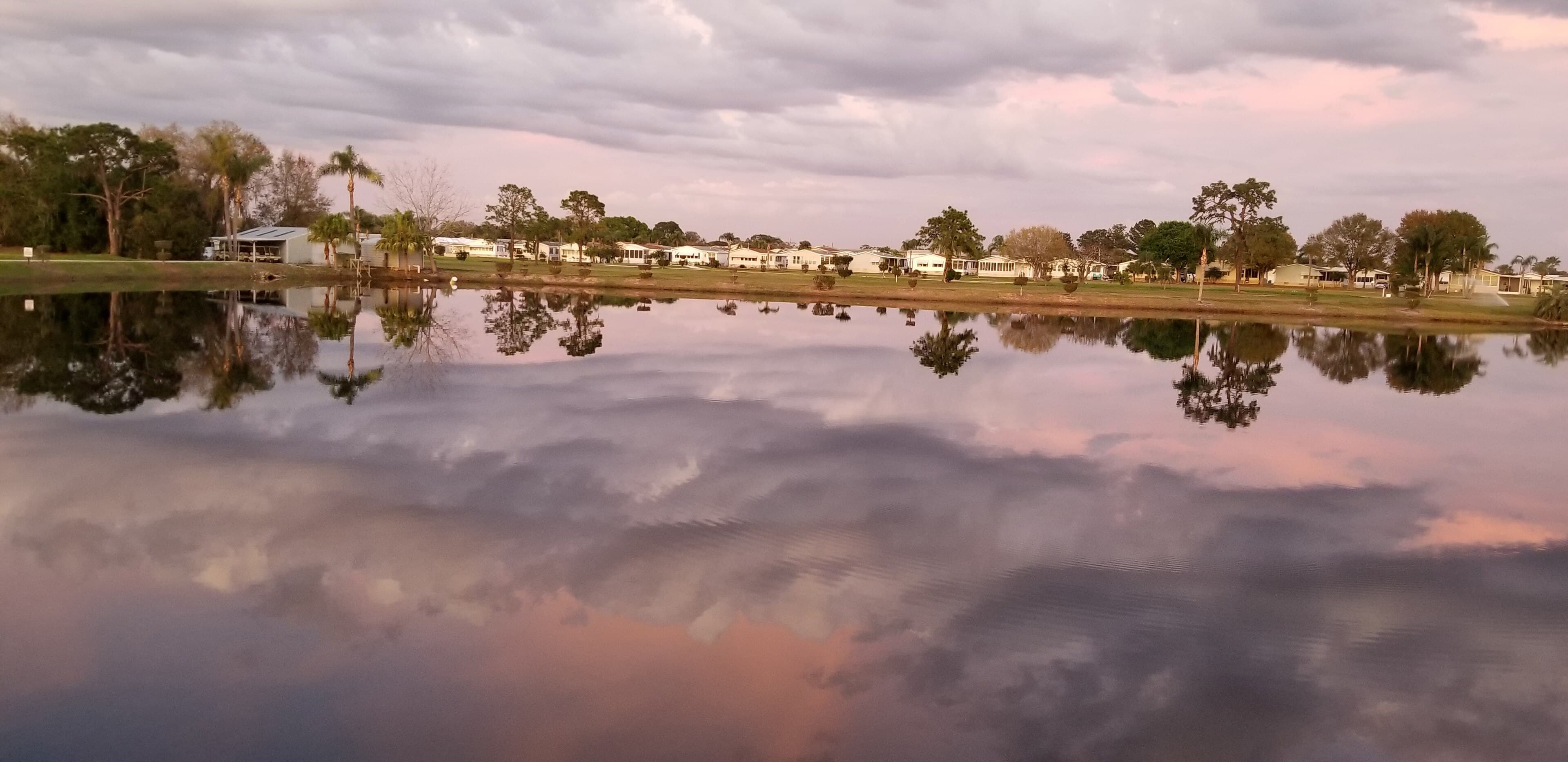
In 1907, residents of Frostproof began telling anyone who would listen that there was something enormous in Lake Clinch. A serpent — thirty feet long, by the estimates they offered — moving through the water off the town shore.
The Frostproof sightings were not the first. M.F. Hetherington, writing his History of Polk County in 1928, set the 1907 reports inside a longer frame. "There is a tradition that a sea serpent, or lake serpent, used to haunt Lake Clinch," he wrote. "The Indians many years ago insisted there was an immense serpent in this lake. In 1907 residents of Frostproof declared they had seen the monster, and that it must be 30 feet long — this, too, before post-prohibition liquor was known."
Frostproof had existed for about twenty years when the sightings started. Hetherington wrote them down two decades after that. The Tampa Tribune ran a piece on it in March 1937, citing the same 1907 accounts. In 2008, The Ledger included Lake Clinch on a list of at least ten Florida lakes with monster traditions attached.
Hetherington wrote only that the Indians had insisted on the serpent many years before. The Seminoles were the people Fort Clinch was built to push out in 1850. The fort sat on the strip of high ground between Lake Clinch and Lake Reedy and was abandoned within months. The lake kept the general's name.
Lake Clinch is round and deep — deep enough that local fishing reports still talk about shellcracker holding in twenty feet of water or more, which is unusual for a Polk County lake. Most of the lakes around here are shallow and weedy. Clinch drops off.
The town's first groves went in along the lake in 1886, and the fruit from those groves was the only Florida citrus entered at the 1897 Atlanta Fair — it had survived the freezes of 1894 and 1895 that wiped out most of the state's industry, which is how the town got its name. Clinch Boulevard runs out from the lake toward the old grove land.
Lake Clinch today is a working town lake. There is a public park, a public ramp, a bass and shellcracker fishery that holds its own, and a water control structure on the south end where the lake drains toward Reedy.
Edward Medard Reservoir, Plant City: The Drawdown That Fed the Food Banks
When Hillsborough County's busiest reservoir was emptied in 2009 to rebuild its eroding bank, more than 1,300 of the stranded tilapia and catfish were filleted and sent to local food banks
Read →
Lake Walk-in-the-Water, Lake Wales: The Lake That Lost All Its Hydrilla and Had to Be Replanted
Three 2004 hurricanes pulled every bit of submersed vegetation out of Lake Walk-in-the-Water and no one ever sprayed a drop — by FWC's account the hydrilla has not come back, and biologists have spent the years since hand-planting natives in its place
Read →
Lake Davenport, Davenport: The 1942 Motion That Cut the Lake in Two
In 1942 the Minutes of Davenport record a motion to tear down the failing West Boulevard bridge and fill the channel with sand, and Lake Davenport's northeastern arm has been a separate pond ever since
Read →
Lake Rosalie, Lake Wales: The 1947 Canal That Gave the Lake a Second Way Out
Water leaves Lake Rosalie in two directions at once, and the northern route — the Zipprer Canal that kayakers now paddle — was cut through a floodplain marsh in 1947 to drain it for cattle pasture
Read →