

May 24, 2026
Lake Apopka, Apopka: The Winter the Restoration Killed the Birds
In the winter of 1998–99, the project meant to save Lake Apopka killed 676 birds — pelicans, wood storks, herons — poisoned by pesticides still locked in the soil decades after the muck farms shut down
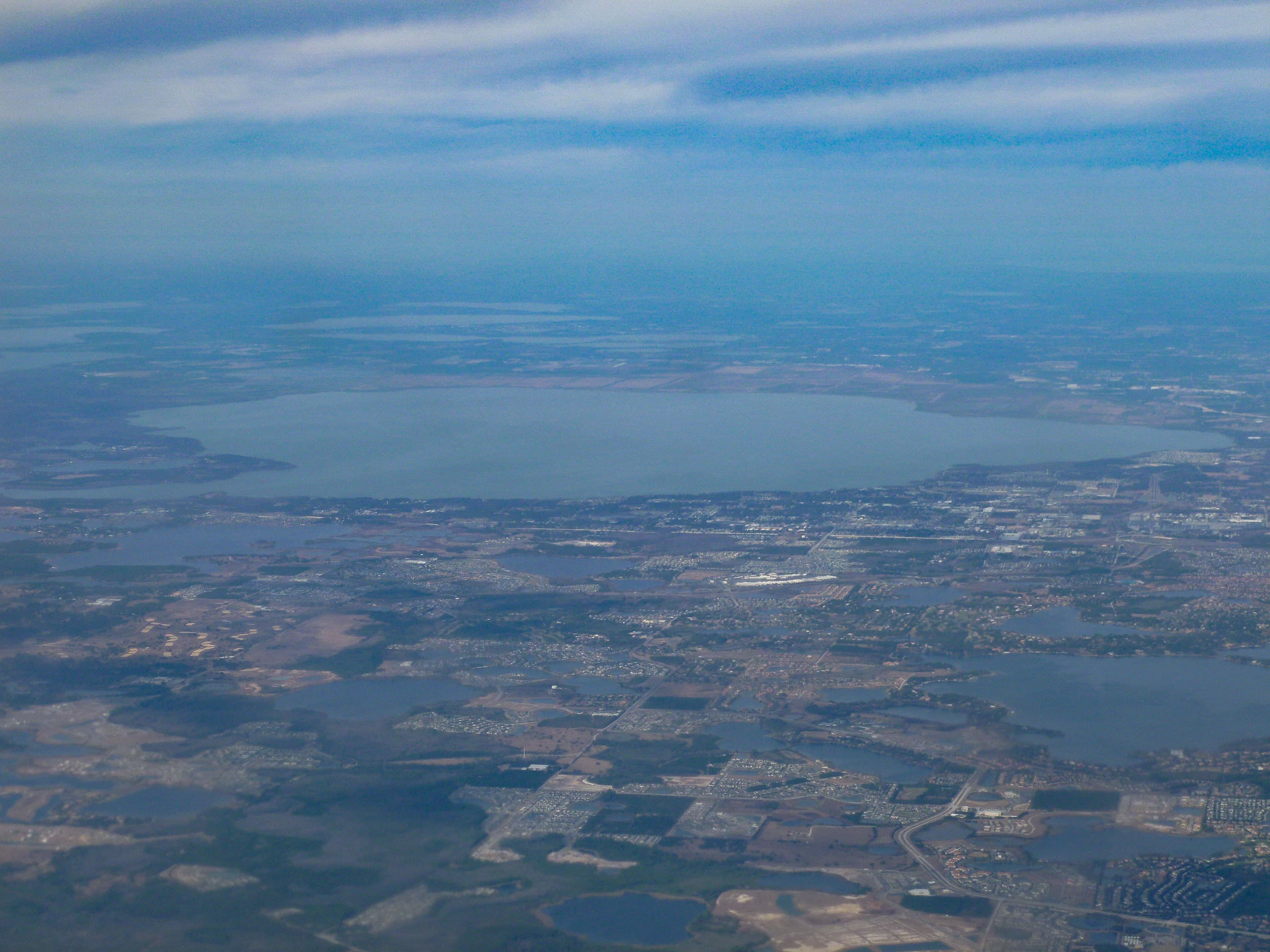
The bodies started turning up in November 1998. American white pelicans first, the big ones that migrate down from the northern plains to winter on Florida lakes. Then wood storks. Then great blue herons. By the time the count was finished, an estimated 676 birds had died on the former farm fields along Lake Apopka's north shore. The fields had just been re-flooded — pumped back into shallow marsh — as the opening move of one of the largest lake restorations ever attempted in Florida. The flooded fields drew the birds in, and the pesticide-laden muck under the water poisoned them.
The chemistry was organochlorine: DDT, toxaphene, dieldrin. These compounds were applied on the north shore farms through the 1940s and 50s, and they bioaccumulate up the food chain. They had been banned for years. But the muck on Lake Apopka's north shore had absorbed them across decades of farming, and when the fields were flooded, fish and invertebrates pulled the contamination back into circulation. Wading birds ate the fish. Pelicans ate the fish. The St. Johns River Water Management District had bought the farms in 1996 under the Lake Apopka Restoration Act to cut phosphorus loading into the lake.
In 1941 a levee was thrown across the lake's northern end, and roughly 20,000 acres of lake bottom and marsh were drained for farming. What had been the shallow, productive northern third of Florida's then-second-largest lake went into vegetables. Carrots, corn, lettuce, celery — pulled out of black muck that had been accumulating since the Pleistocene. The farms ran for half a century, and the chemicals settled into soil that drained, eventually, back toward the lake.
By the 1980s, Lake Apopka was widely described as Florida's most polluted large lake. Phosphorus from farm runoff fed algal blooms thick enough to block sunlight from reaching the bottom. Native submerged plants died. The bass fishery — once one of the most productive in the country — collapsed. The lake had gone from clear to pea-soup green, and the standard explanation among biologists was that it had crossed into an alternative stable state: a system that resists returning to its earlier condition even after the original stressor is removed.
The 1996 buyout was meant to break that resistance. Take the farms out, restore the wetlands, let the marsh filter phosphorus before it reached open water. The flooding in 1998 was the first physical step, and the deaths ran into 1999.
The bird kill stopped the project. Federal investigations followed. The District spent years afterward sampling soil, removing the most contaminated sediment, building staged flow-ways instead of broad re-flooding, and adjusting how and when water moved across the old fields. The marsh flow-way that opened in November 2003 — 760 acres, four cells, designed to circulate lake water through engineered wetlands and pull phosphorus out before returning it — was a more cautious instrument than the original plan.
Phosphorus loading dropped. Water clarity improved enough that submerged aquatic vegetation began returning on its own, which had been the goal from the start: a self-sustaining shift back toward the lake's pre-1940s condition. Bass numbers climbed.
The Lake Apopka Wildlife Drive runs eleven miles through the rewetted north shore. Birders come for the white pelicans.
North Prong Alafia River, Mulberry: The 154 Snook That Started the Repair
When 1997's acid spill came down Skinned Sapling Creek into the North Prong, the first act of repair on the Alafia was a release of exactly 154 juvenile snook
Read →
Lake Pierce, Lake Wales: The Five-Day Haul From Net to Railroad
Before it was a fish camp, the north shore of Lake Pierce was a commercial netting operation that hauled its catch out over log roads on a five-day round trip to the railroad — back when the lake was called Cat Fish Lake.
Read →
Lake Agnes, Polk City: The Shore Where Polk City Started
A Boston developer stopped to rest on the shore of Lake Agnes in the summer of 1922, and the town of Polk City grew from where he sat
Read →
Lake Davenport, Davenport: The 1942 Motion That Cut the Lake in Two
In 1942 the Minutes of Davenport record a motion to tear down the failing West Boulevard bridge and fill the channel with sand, and Lake Davenport's northeastern arm has been a separate pond ever since
Read →