

May 10, 2026
Lake Weohyakapka, Lake Wales: The 9,500-Year-Old Toolkit on the Lake Bottom
The largest cache of Paleoindian microlithic tools ever recovered in Florida came up out of the bottom of this shallow Polk County bass lake
The largest collection of Paleoindian microlithic tools ever documented in Florida came out of the bottom of Lake Weohyakapka, near Nalcrest, on the western shore east of Lake Wales. The tools are more than 9,500 years old. It is the largest such assemblage recorded in the state, and it sits under a lake most Floridians have never heard of.
The reason the tools are there has to do with the shape of the basin. Weohyakapka covers about 7,500 acres, the largest lake in Polk County, and runs around twelve feet at its deepest. The Creek-language name is usually translated as "walking on water," and the local English name, Walk-in-Water, comes from the same idea — a basin shallow enough that in lower-water years people could wade most of the way across it. The turpentine settlement that once stood on the shore went by Walinwa, the same name in shorter form.
A lake this shallow was not always a lake. During the late Pleistocene and early Holocene, when the Florida peninsula was wider and drier and the water table sat much lower than it does now, the Weohyakapka basin was likely a scatter of shallow ponds, marshes, and exposed flats around freshwater seeps. Tools left on those flats were covered by saturated sediment, which slowed weathering. The climate warmed, the water table rose, the basin filled, and what had been left on those old shorelines went under and stayed there.
Microlithic tools are small — flakes, blades, and scrapers worked from chert, often less than an inch or two long, used for fine cutting, hide-working, and hafting into composite tools. A single one is easy to miss. An assemblage of this size in one lake indicates sustained occupation, people returning to the same place over generations.
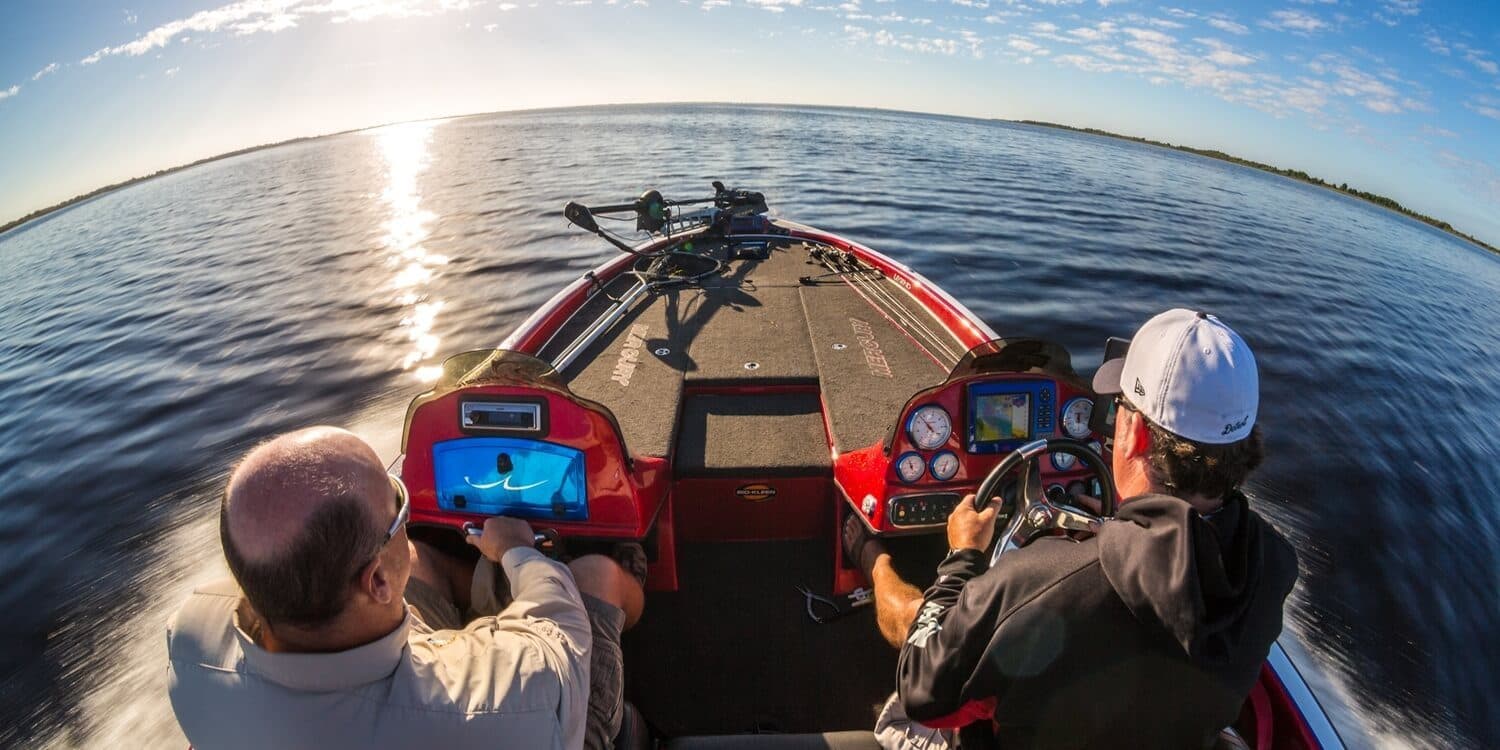
The lake's modern reputation has nothing to do with archaeology. Weohyakapka is one of Florida's premier trophy largemouth bass fisheries, the kind of lake anglers drive hundreds of miles to reach. Thirteen-pound bass have come out of it. The fishery went through a stretch of overharvest before catch-and-release rules tightened it back up, and it now produces eight- to twelve-pound fish in numbers that keep the guide business going. Shallow water and heavy vegetation are what feed it.
The shoreline has stayed mostly undeveloped. Indian Lake Estates sits on the western edge, a 1955 development that never came close to its planned 15,000 residents. The Walk-in-the-Water tract of Lake Wales Ridge State Forest covers much of the rest — scrub habitat for Florida Scrub-Jays and bobwhites. The SUMICA tract, on the southern end, preserves the site of a logging town and sawmill. There is a public boat ramp and no marina.
That is also why the archaeology is still legible. Nobody has dredged the basin, channelized it, seawalled it, or run a causeway across it. The chert flakes are in the muck under twelve feet of water, on the western side of the lake near Nalcrest.
Presented by

Own waterfront in Lake Wales?
Lake history is interesting. Shoreline conditions are practical. Horizon Marine builds docks, seawalls, and shoreline protection on Lake Wales's lakes — and gives a straight answer on what your property actually needs.
Saddlebag Lake, Lake Wales: The Five Months of Pumping It Took to Get the Water Out
Saddlebag Lake is a closed basin with no outlet, so when it rose into 300 homes in 2005 the only way out was three pumps and two miles of pipe to Lake Rosalie — paid for by the residents at $30,000 a month
Read →
Lake Jessie, Winter Haven: The 180-Acre Lake Where the World Learns to Land on Water
About 500 pilots a year earn their seaplane rating on a 180-acre lake beside the Winter Haven airport — more, by one industry count, than every other seaplane school in the United States combined
Read →
Hardee Lakes, Bowling Green: The Lake That Stayed Closed Until the Fish Grew
Lake 3 at Hardee Lakes Park was stocked with sunshine bass in 2001 and then kept shut to anglers while they grew, and when it finally opened one Saturday morning in October 2005 all eight spots were already taken
Read →
Spring Lake, Brooksville: The Grove That Turned Into an Attraction
A hard freeze wiped out a Spring Lake citrus grower's living in the early 1960s, and rather than replant, the Boyett family turned the survivors into a roadside attraction that outlived the groves around it
Read →
Building on Lake Weohyakapka or another Lake Wales lake?
Free waterfront assessment · License #SCC131154313