
June 9, 2026
The Night the Lake Came Over the Levee
The night before the storm came ashore, weather officials told Florida it would not hit
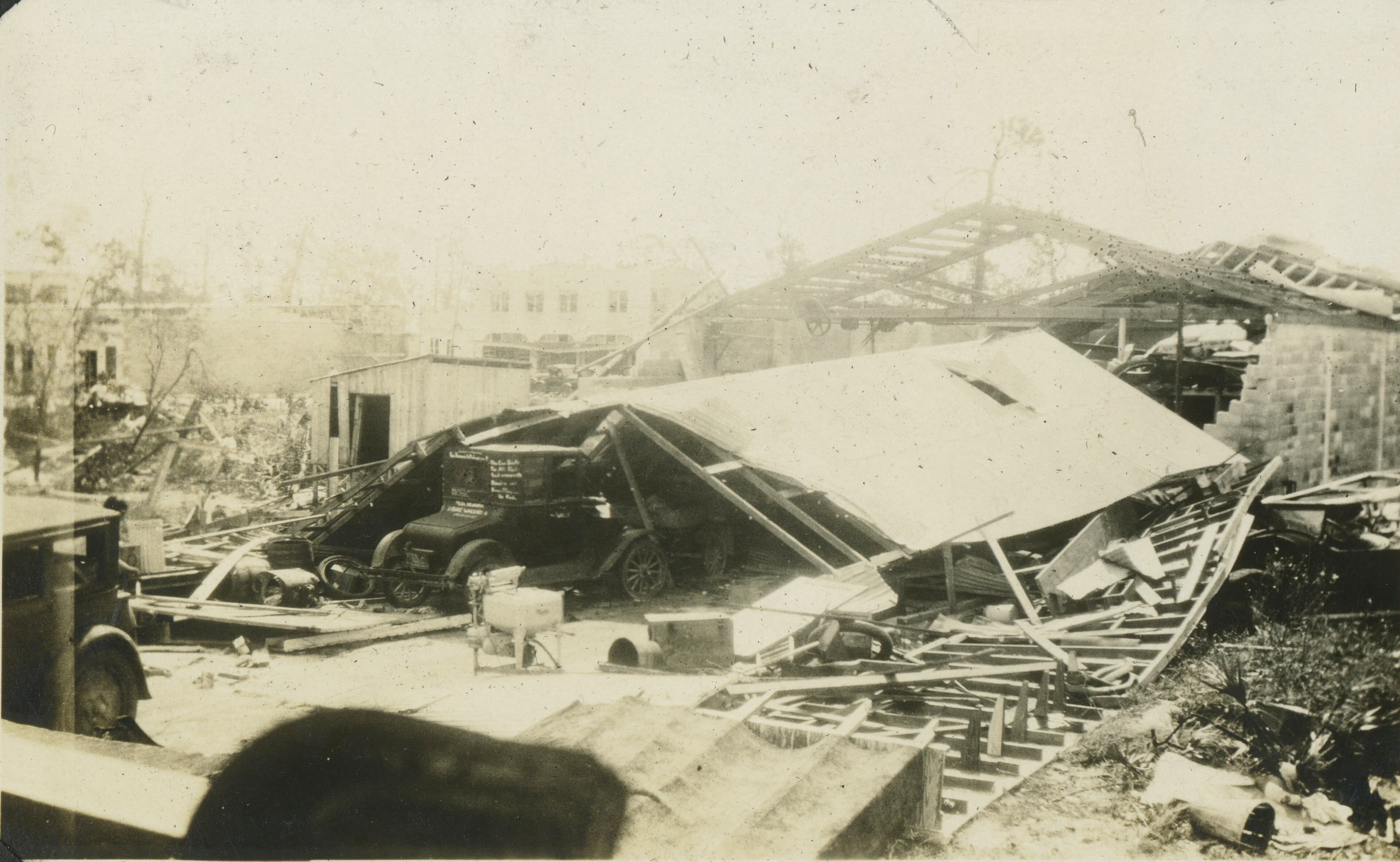
The historian Eliot Kleinberg, writing about why the warnings did not reach the people who needed them, put the communication problem this way: "To say that they knew or didn't hear the hurricane warning presumes that they had a radio, which in 1928, a lot of people didn't, and there certainly wasn't any television."
The warning itself said the storm would miss. On the night of September 15, 1928, weather officials in Florida were telling people it would not hit the state. It had been moving across the Atlantic for ten days by then — a tropical depression near Senegal on September 6, then across Puerto Rico, then toward the eastern coast of the peninsula.
It came ashore on September 16. The exact landing point depends on which marker you read — the Florida Historical Society places it near West Palm Beach, the historical marker at the site places it near the Jupiter Lighthouse. Accounts vary. Forty miles in one direction or the other made no difference to a packing shed in Belle Glade.
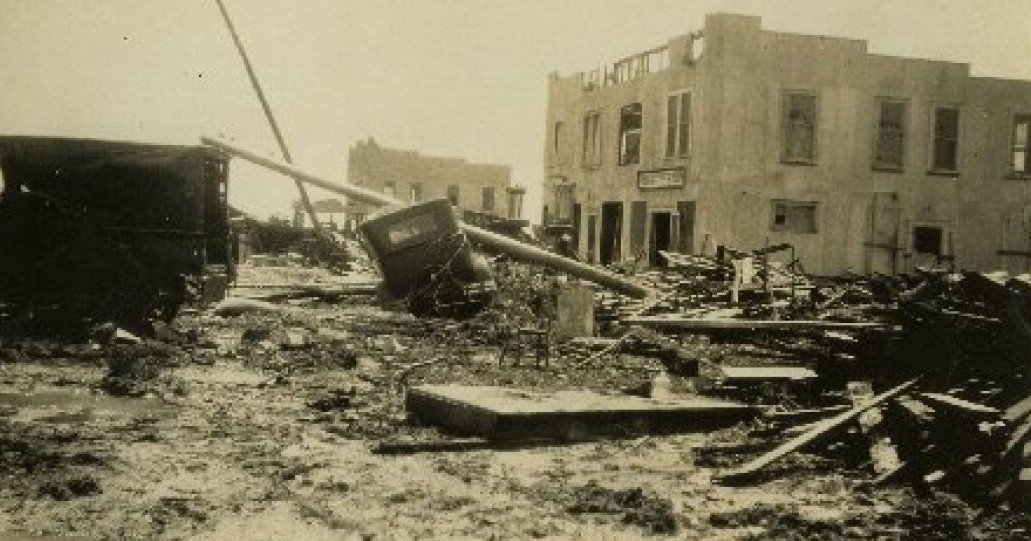
It crossed Palm Beach County and went west. On the southern rim of Lake Okeechobee, mud levees held back sixty miles of shallow water. Behind them sat the muck country's bean fields and cane, and the labor camps and farm towns of the workers who picked them.
Most of those workers were migrants. The historical marker at the site is explicit on this point: most of the hurricane's fatalities were migrant farm workers, killed when the Lake Okeechobee levees broke.
The wall of water that came over the top was twenty feet high in some places.
How many died is a number no one agrees on. The Palm Beach Post puts it at as many as 3,000. The historical marker at the site puts it at 2,500. NOAA, cited in the Miami Herald, calls it the deadliest hurricane in Florida history by lives lost.
The gap between 2,500 and 3,000 is five hundred people. The dead were migrant workers, many of them Black and Bahamian. They were buried where they were found, or in mass graves whose locations were marked imprecisely and later forgotten. Some were not buried.
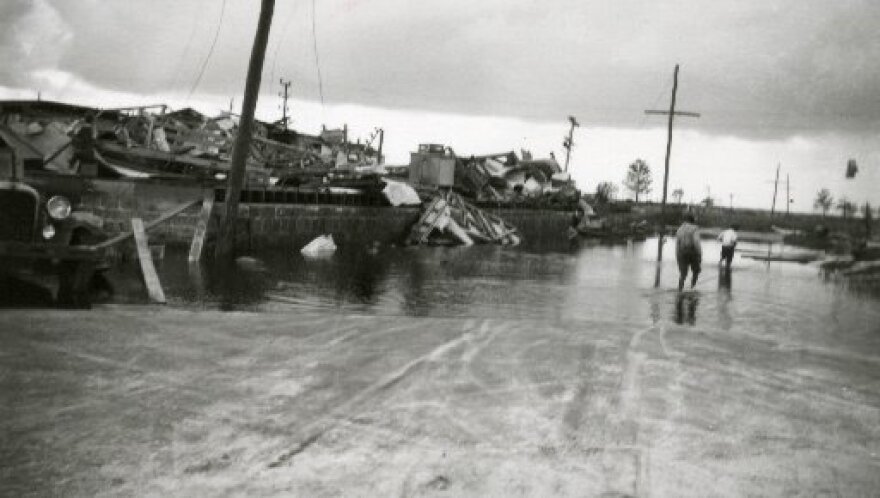
Polk County sits to the northwest of Lake Okeechobee. Twelve hurricane eyes have passed over the county in recorded history. The 1928 storm, by the time it reached this far inland, was a Category 2, strong enough to take down citrus and tear roofs.
The packing houses kept running, and the groves were assessed and replanted. In Bartow and Lakeland and Winter Haven, the news arrived secondhand.
The bean fields kept producing and the labor camps on the lake's edge remained. The federal government eventually built the Herbert Hoover Dike around Lake Okeechobee.
Presented by

Central Florida is built at the edge of land and water.
Horizon Marine works where that history meets today's lakefront properties — docks, seawalls, shoreline protection, and permitted marine construction across Polk County and surrounding areas. License #SCC131154313.
About Horizon Marine →The Lie She Told at Loughman
The sawmill camp in northeast Polk County took the woman in the shiny gray Chevrolet for a detective, so Zora Neale Hurston told them she was a bootlegger the law wanted in Miami
Read →
Orlando Can Keep Walt Disney. We've Got George Jenkins.
George Jenkins arrived in Florida at seventeen with nine dollars and built something Lakeland still lives inside. The story of Publix, told from the city that never let him leave.
Read →
The Town That Kept Its Oranges
Christmas Day 1894 was one of Florida's most beautiful days, and four days later the citrus industry was gone
Read →
Spook Hill, 1950
The hill that rolls cars uphill seems to have been invented in stages, and most of the people who did the inventing never left a name.
Read →
Planning waterfront work in Bartow?
Free waterfront assessment · License #SCC131154313