

May 29, 2026
Four Million Acres at Twenty-Five Cents
In 1881, a Pennsylvania saw manufacturer wrote a check to the State of Florida for one million dollars and walked out owning four million acres
In 1881, Hamilton Disston handed the State of Florida one million dollars and walked away with four million acres.
Twenty-five cents an acre.
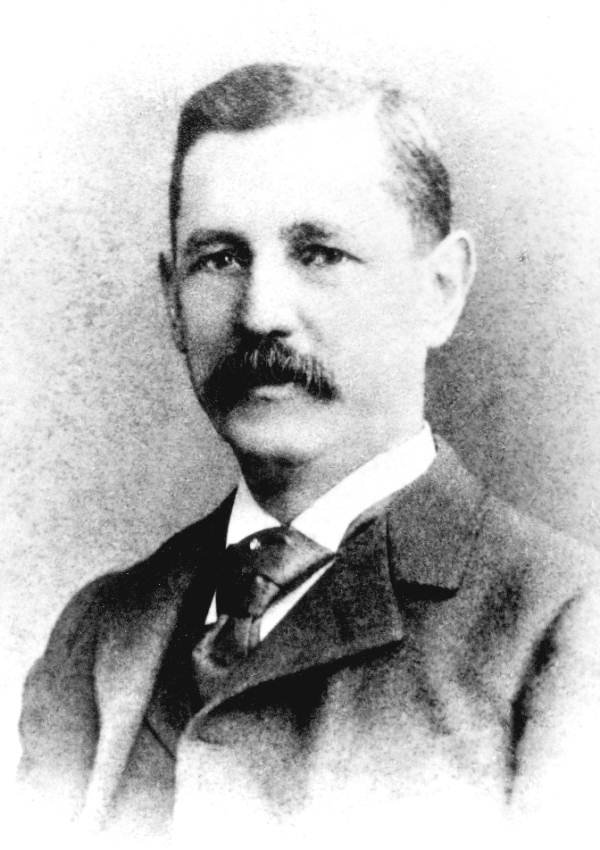
The state was broke. The Civil War had emptied the treasury, and the land Disston bought was, in the language of the deeds, marshland and plains — the southern interior. As of 1881 no railroad crossed it. Disston was from Philadelphia. His family made saws.
He had a contract as well as a deed, and the contract was the larger document. He would drain the southern part of the state and deepen the Kissimmee River, and for every acre he successfully drained, he would own half of it. The four million acres were separate. Those he simply bought.
The sources do not agree on the size. The Association of American Geographers gives the figure as 16,000 square kilometers — roughly 6,200 square miles — which does not square cleanly with the four-million-acre number nearly every other account cites, depending on how the math is rounded. Accounts vary. What is not in dispute is that the purchase was, at the time, one of the largest single land transactions by a private individual in American history.
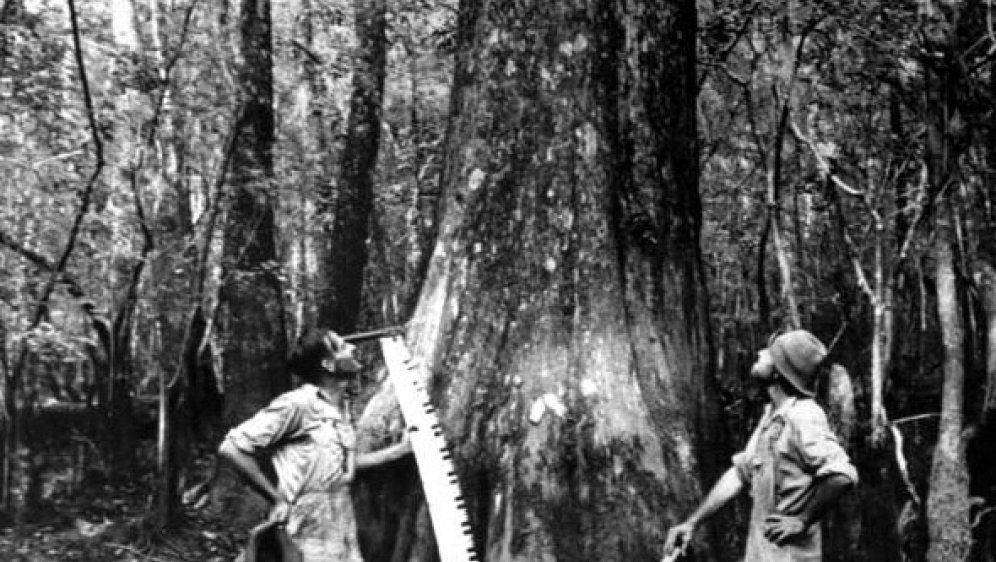
Before the dredges, the Kissimmee ran south from the chain of lakes around what is now the city of Kissimmee — Lake Tohopekaliga and the others — down through a floodplain of grass and slow water to Lake Okeechobee. It did not run straight. It curled. In high water it spread across miles of marsh; in low water it became a series of connected pools. Steamboats could not reliably move through it. That was the problem Disston had been hired to solve.
By the mid-1880s he had solved it. The dredges cut channels from Lake Tohopekaliga south to Lake Okeechobee, and from Okeechobee west toward Fort Myers and east toward Fort Lauderdale. A continuous waterway ran from central Florida to the Gulf of Mexico. Boats that had never been able to reach the interior reached it. Kissimmee, a small settlement on the lake, became the commercial focal point of what was called from then on the Disston Purchase.
Eliot Kleinberg, writing in the Palm Beach Post in 2019, called the Disston canal system the predecessor to the Cross Florida Barge Canal — the twentieth-century federal project to cut a shipping channel across the peninsula, abandoned partway through. Disston's canals were finished. Land that had been wet was, in places, dry.
Dry land could be sold. Polk County records from 1885 show Disston holding large tracts in the county, with thousands of additional acres reserved for chartered railroads that had not yet been built. A man in Philadelphia owned four million acres of the interior of a southern state.
The Davenport Historical Society, writing the short history of that town to the north, names him directly: he bought four million acres from the government, and he dug canals from Lake Tohopekaliga to Lake Okeechobee and from Okeechobee to the coasts.
What happened to Disston after the mid-1880s is not in the record consulted here. It does not say whether the drainage held.
The historical marker in Kissimmee credits him with revolutionizing the place.
Presented by

Central Florida is built at the edge of land and water.
Horizon Marine works where that history meets today's lakefront properties — docks, seawalls, shoreline protection, and permitted marine construction across Polk County and surrounding areas. License #SCC131154313.
About Horizon Marine →The Town That Kept Its Oranges
Christmas Day 1894 was one of Florida's most beautiful days, and four days later the citrus industry was gone
Read →
He Learned to Swim at Nine Months Old
The canals that made Winter Haven famous were dug to haul citrus fruit, and the company that built them went bankrupt in two years
Read →
Spook Hill, 1950
The hill that rolls cars uphill seems to have been invented in stages, and most of the people who did the inventing never left a name.
Read →
The Land: The Empty Money Box
In May of 1918, H.G. Browning came to return a horse he believed belonged to Isham Stewart — and knew something was wrong before he got to the door
Read →
Planning waterfront work in Kissimmee?
Free waterfront assessment · License #SCC131154313