

May 24, 2026
Lake Van, Auburndale: The Dredging Case That Took Eight Years to Settle
A lawsuit filed in 1998 over illegal dredging and filling around Lake Van took eight years to settle — a slow reckoning over earth moved on a small Auburndale lake
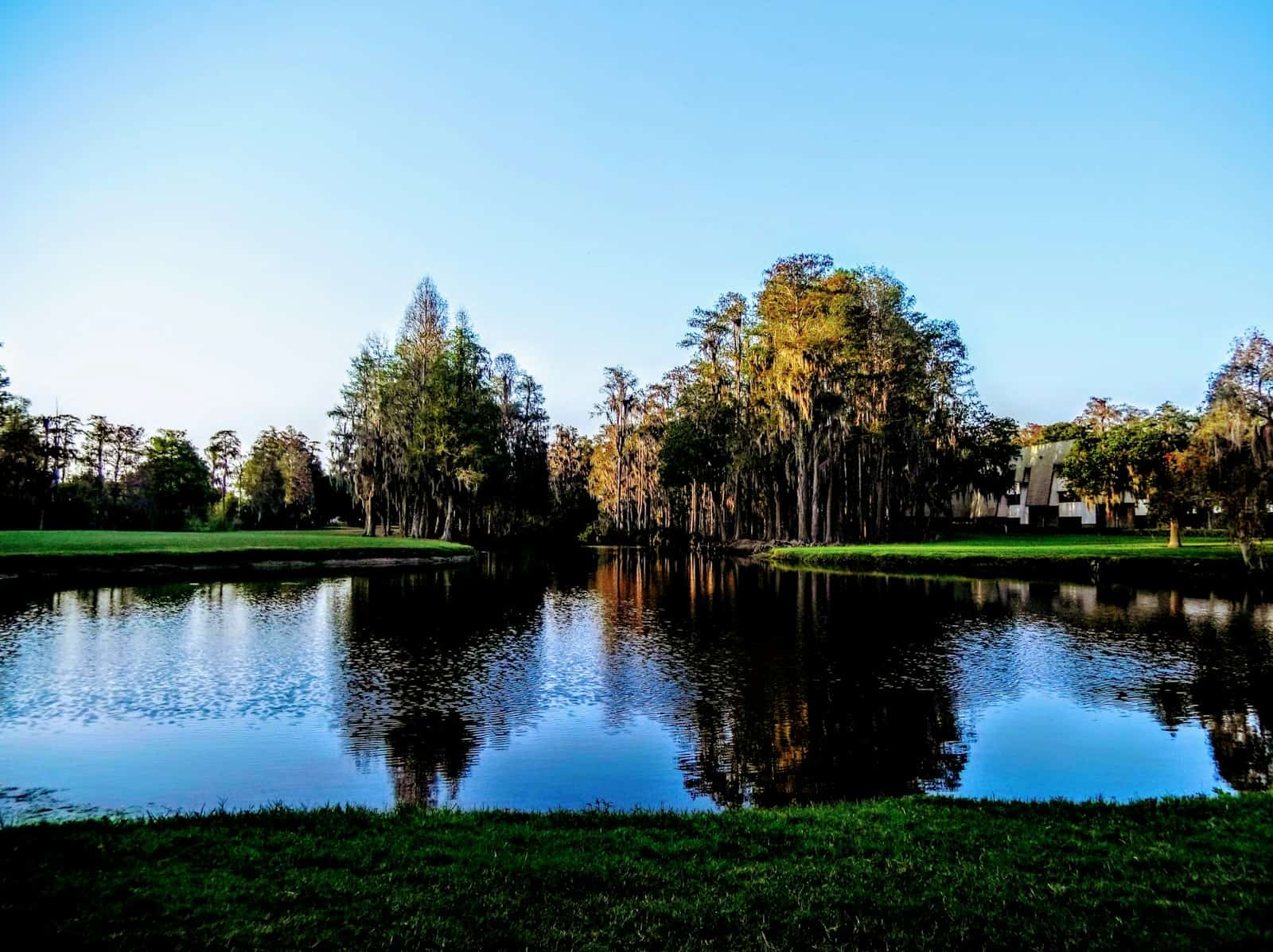
In 1996, work began around the shoreline of Lake Van in Auburndale that the Southwest Florida Water Management District eventually decided was not legal. Earth was moved. Material was placed where it wasn't supposed to be. The district — Swiftmud, to anyone who's ever filed a permit with them — filed suit in 1998 against Lin Fung To, an Auburndale businessman. The case was settled in 2006.
That's the whole shape of the story, and it's worth sitting with the timeline for a minute, because eight years is a long time to litigate a shoreline.
Dredge-and-fill cases on small Florida lakes tend to run on a familiar pattern. Somebody wants more usable land at the water's edge — a wider yard, a firmer bank, a swimmable bottom where there used to be muck. Sand gets trucked in. A backhoe pushes a lip of soil out past the original waterline. Vegetation that was filtering runoff and holding the bank in place is scraped off. By the time a regulator notices, the change is already made, and the legal question shifts from "don't do this" to "now what." Restoration orders, fines, negotiated settlements, years of back-and-forth over what the shoreline used to look like and what it would cost to put it back.
Swiftmud's authority over this kind of work goes back to the district's founding mandate: managing the water resources of west-central Florida, which includes the wetland fringes and littoral zones of lakes like Van. Filling a lake edge without a permit isn't a paperwork violation. It removes the shallow vegetated band where small fish spawn, where wading birds feed, and where nutrients from yard runoff get pulled out of the water before they reach the open lake. On a small lake — Van is a modest waterbody on Auburndale's north side — that band is most of the lake's biological work.
The Ledger's coverage of the settlement is brief. Swiftmud spokeswoman Robyn Felix said the district was pleased the matter had been resolved. That's the kind of sentence agencies offer when a long case finally closes and nobody especially wants to relitigate it in the newspaper. The terms of the settlement, the restoration required, the penalties paid — those details didn't make the short news item that ran when the case wrapped up.
What the case does mark, plainly, is how long this kind of enforcement can take when it lands in court. Eight years between filing and settlement is enough time for a shoreline to change again on its own. Vegetation regrows where it can. Sand erodes back into the lake. New owners arrive on adjacent lots and inherit a property line whose legal status is still being argued by people they've never met. Whatever Lake Van's edge looked like in 1996, and whatever it looked like in 1998 when the suit was filed, it was something else by the time the lawyers finally signed off in 2006.
The case doesn't appear to have produced a precedent that reshaped how Swiftmud handles shoreline enforcement, and it didn't make Lake Van a cautionary tale anyone outside Auburndale would recognize. It's a small file in a regulatory drawer. But it's the kind of case that sits underneath every permitted seawall, every approved dock, every legal load of beach sand on a Polk County lake — the slow, expensive reminder of what happens when the work gets done first and the permit gets argued about later.
Lake Van itself is quiet now. Most people who drive past it on the way through Auburndale don't know the lake had a lawsuit attached to it for eight years, or that somewhere along its shore, a stretch of bank was once at the center of a dispute over what a lake edge is allowed to be.
Mountain Lake, Lake Wales: The Winter Home That Led to Bok Tower
Bok Tower sits on Iron Mountain because a Philadelphia magazine editor first bought a winter-home lot on the 92-acre private lake next door, and hired the lake colony's landscape architect
Read →
Lake Davenport, Davenport: The 1942 Motion That Cut the Lake in Two
In 1942 the Minutes of Davenport record a motion to tear down the failing West Boulevard bridge and fill the channel with sand, and Lake Davenport's northeastern arm has been a separate pond ever since
Read →
Lake Jessie, Winter Haven: The 180-Acre Lake Where the World Learns to Land on Water
About 500 pilots a year earn their seaplane rating on a 180-acre lake beside the Winter Haven airport — more, by one industry count, than every other seaplane school in the United States combined
Read →
Saddlebag Lake, Lake Wales: The Five Months of Pumping It Took to Get the Water Out
Saddlebag Lake is a closed basin with no outlet, so when it rose into 300 homes in 2005 the only way out was three pumps and two miles of pipe to Lake Rosalie — paid for by the residents at $30,000 a month
Read →